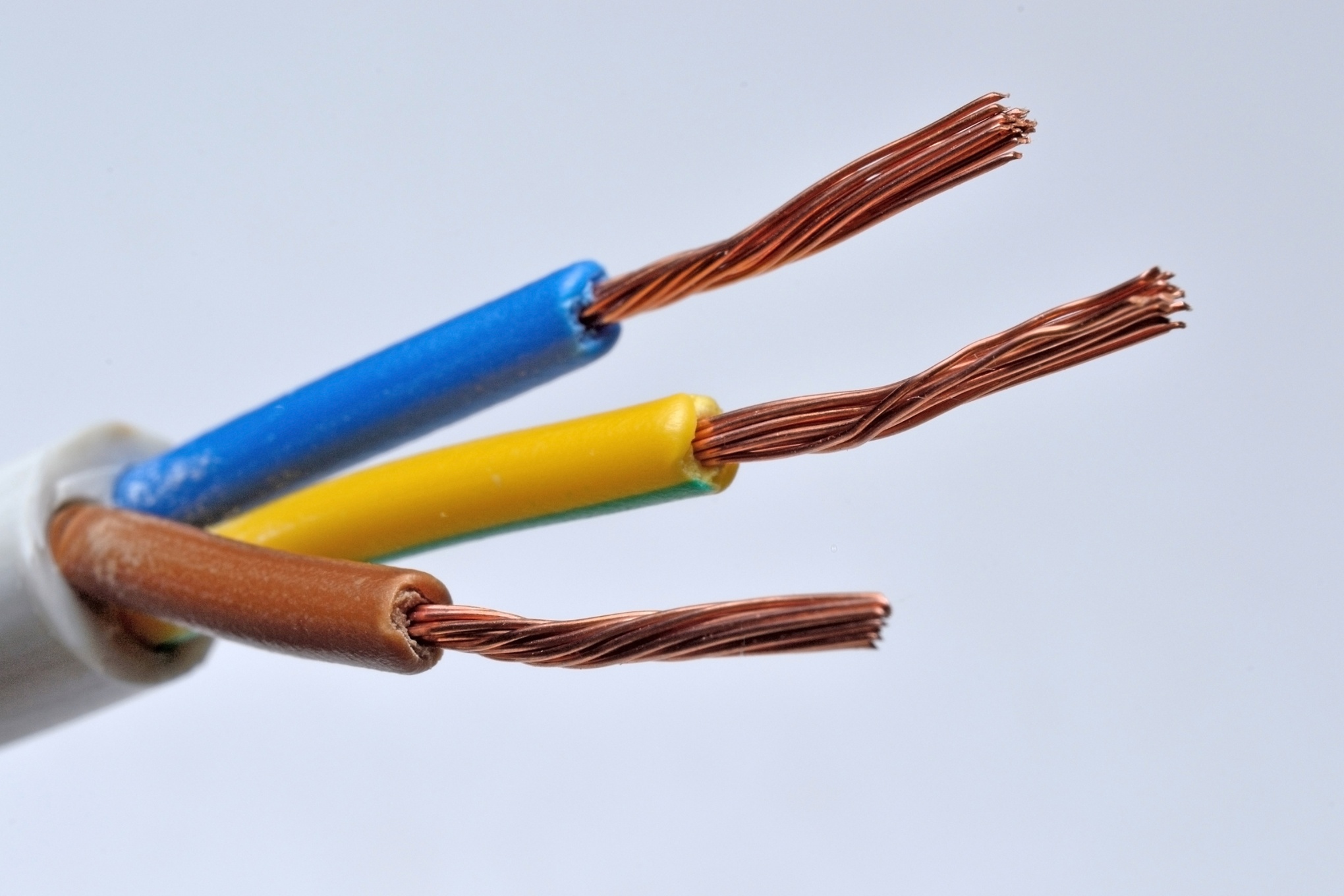
Rewires

Jamie Rudd
Founder

Date Published
January 29, 2025
Rewiring a home is one of the most important electrical upgrades you can undertake. Whether you're buying an older property in Kent or have lived in your home for decades, understanding when and why you need a rewire can protect your family, preserve your property value, and ensure your electrical system meets modern safety standards.
Your home's electrical wiring is hidden behind walls and under floors, quietly powering your daily life. However, old or faulty wiring poses serious risks including electrical fires, electric shocks, and system failures. Faulty electrics are a significant cause of house fires in the UK.
Modern electrical demands have changed dramatically. Homes built 30-40 years ago weren't designed for the number of devices we use today—from electric vehicle chargers and smart home systems to multiple kitchen appliances running simultaneously. An outdated electrical system simply cannot safely handle today's power requirements.
If your home was last rewired more than 25-30 years ago, it's time to have a professional inspection. Properties built or rewired before the 1990s likely have wiring that doesn't meet current standards. Here in Kent, many properties in areas like Longfield, Swanley, Orpington, and Sevenoaks contain original wiring from the 1960s, 70s, or 80s.
Common outdated wiring types include:
1. Frequent Circuit Breaker Trips
If your fuse board trips regularly, it's often a sign that circuits are overloaded or there's a fault in the wiring. Whilst occasional trips can occur, frequent issues indicate your system cannot cope with demand.
2. Discolouration Around Sockets or Switches
Scorch marks, brown discolouration, or a burning smell near electrical fittings are serious warning signs of overheating or arcing. Never ignore these symptoms.
3. Flickering or Dimming Lights
Lights that dim when you use other appliances, or that flicker without explanation, often indicate poor connections or inadequate wiring.
4. Old-Style Fuse Boxes
If you still have an old fuse box with rewirable fuses rather than a modern consumer unit with RCD protection, your home urgently needs upgrading. Modern consumer units provide life-saving protection that old fuse boxes simply cannot offer.
5. Persistent Burning Smells
Any burning smell without an obvious source should be investigated immediately. This could indicate overheating cables within walls or ceilings.
6. Too Few Sockets
Homes that rely heavily on extension leads and adapters are likely under-supplied with sockets. This not only indicates outdated wiring but also creates overloading risks.
7. Electric Shocks or Tingling
Any tingling sensation when touching appliances, switches, or taps suggests dangerous earth faults in your electrical system.
8. Outdated or Missing Safety Features
Modern electrical installations require RCD (Residual Current Device) protection, proper earthing, and adequate circuit separation. If your system lacks these features, it doesn't meet current safety standards.
A complete rewire is a substantial project, but understanding the process helps you prepare properly.
Initial Assessment and Design
Before any work begins, a qualified electrician from Deltawatt Ltd will conduct a thorough inspection of your property. We'll assess your current system, discuss your requirements (such as EV charger preparation, smart home integration, or additional circuits for extensions), and design a wiring plan that meets current regulations whilst future-proofing your home.
First Fix Stage
This is where the major installation work happens:
The first fix occurs before plastering and decorating, so if you're renovating, this is the ideal time to rewire.
Second Fix Stage
Once plastering and decoration are complete:
Testing and Certification
After installation, comprehensive testing ensures everything works safely:
Upon successful completion, you'll receive an Electrical Installation Certificate, which is essential for building regulations compliance, insurance purposes, and future property sales.
The duration varies significantly depending on property size, complexity, accessibility, and whether the property is occupied. During your initial assessment, Deltawatt Ltd will provide a realistic timeframe based on your specific circumstances. Working on an empty property typically allows faster completion, whilst occupied properties require careful planning to maintain some power throughout the project.
Yes, though it requires planning. Most families choose to stay, especially when rewiring occupied homes. Your electrician can work room-by-room, maintaining power to essential areas. Expect some disruption—furniture will need moving, and you'll have temporary lighting and power arrangements in affected areas.
For major rewires, some families prefer to stay elsewhere for a few days during the most disruptive phases, particularly if young children are involved.
Not every property needs a complete rewire. Partial rewires might suit:
However, if inspection reveals widespread deterioration, a full rewire is often more cost-effective long-term than piecemeal repairs.
Kent has many beautiful period properties requiring special consideration. Rewiring listed buildings or conservation area properties needs sympathetic approaches:
Deltawatt Ltd has experience working on period properties throughout Kent, ensuring electrical safety whilst respecting architectural heritage.
Rewiring represents a significant investment, but it's essential for safety and adds substantial property value. The cost varies considerably based on factors including property size, layout, accessibility, the number of circuits required, and any special requirements such as smart home wiring or security systems. During your initial assessment, Deltawatt Ltd will provide a detailed quote explaining exactly what's included, ensuring transparency and no hidden surprises.
Rewiring presents an excellent opportunity to install:
Planning these additions during rewiring saves money compared to retrofitting later.
All electrical work in homes must comply with BS 7671 (the IET Wiring Regulations) and Building Regulations Part P. Only qualified electricians registered with competent person schemes can self-certify electrical work.
Deltawatt Ltd is registered with NAPIT and holds Trustmark accreditation, meaning our work meets the highest industry standards. We provide full certification for all installations, giving you peace of mind and documentation essential for insurance and property sales.
Rewiring is not a DIY job. Always choose qualified, registered electricians with:
Modern rewiring should anticipate future needs:
New wiring requires minimal maintenance, but we recommend:
Rewiring your home is a significant undertaking, but it's an investment in safety, functionality, and property value. If you're experiencing warning signs, living in an older property, or planning renovations, now is the time to assess your electrical system.
At Deltawatt Ltd, we've helped countless homeowners across Kent, from Longfield to Orpington, Sevenoaks to Gravesend, upgrade their electrical systems safely and efficiently. With over 11 years of experience and full accreditation from NAPIT and Trustmark, we deliver quality workmanship that stands the test of time.
Don't wait until electrical problems become emergencies. Contact Deltawatt Ltd today for a professional electrical inspection and discuss whether your home needs rewiring. Your family's safety and your property's future are worth protecting.
Ready to discuss rewiring your property?
Contact Deltawatt Ltd for a professional assessment. Serving Kent and South East London with expert electrical and renewable energy solutions.
Whether you need a rewire, solar panels, or an EV charger, our experienced team is ready to help with safe, efficient solutions.