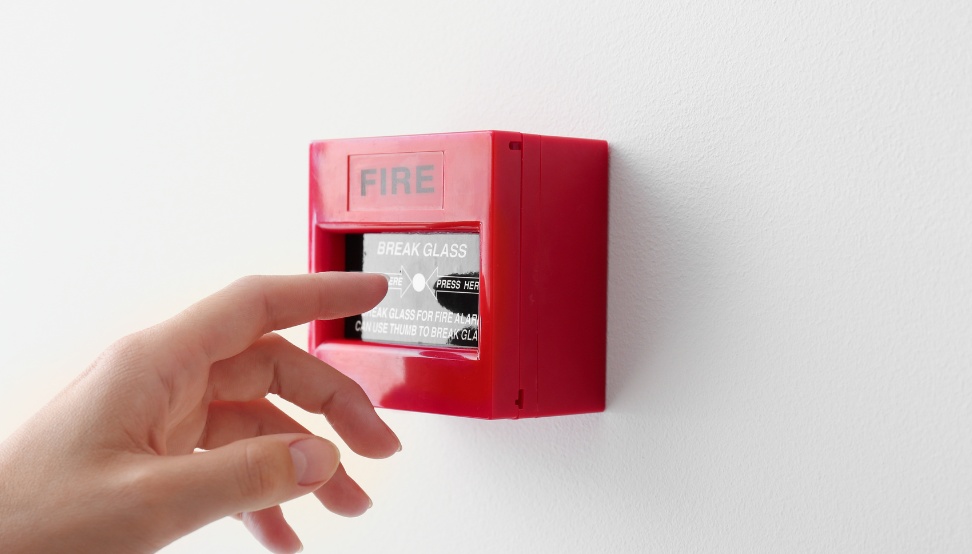
Protect lives and property with professional fire alarm installation from Deltawatt Ltd. We provide expert fire detection and alarm systems for homes and businesses across Kent and South East London, delivering reliable life-safety systems that provide early warning of fire and comply with all relevant regulations.
With over 11 years of experience and NAPIT registration, our qualified electricians deliver fire alarm installations to the highest standards, fully compliant with BS 5839 British Standards. We understand that fire alarm systems are critical life-safety installations requiring expert design, professional installation, and thorough testing.
Whether you need a simple domestic smoke alarm installation or a comprehensive commercial fire detection system, we provide reliable solutions that give you peace of mind and ensure compliance with fire safety regulations.
Life-Saving Early Warning - Fire alarms provide crucial early detection, giving occupants time to evacuate safely before conditions become life-threatening. Most fire deaths occur at night when people are asleep and unaware of danger.
Property Protection - Early fire detection allows for quicker intervention, potentially preventing total loss and minimising damage.
Legal Requirements - Landlords, businesses, and HMOs (Houses in Multiple Occupation) have legal obligations to install and maintain appropriate fire alarm systems.
Insurance Requirements - Most insurance policies require adequate fire detection systems. Proper installation can reduce premiums whilst ensuring claims aren't invalidated.
Building Regulations - New builds, extensions, and loft conversions must include fire detection systems complying with current Building Regulations.
Peace of Mind - Knowing your property has reliable fire detection provides invaluable peace of mind for you and your family or employees.
Domestic Fire Alarm Installation - Comprehensive smoke and heat detector installations for homes, ensuring adequate coverage and compliance with Building Regulations.
HMO Fire Alarm Systems - Specialist fire detection systems for Houses in Multiple Occupation, meeting the enhanced requirements for shared accommodation.
Commercial Fire Alarm Systems - Complete fire detection and alarm installations for businesses, offices, retail premises, and industrial settings, compliant with BS 5839 standards.
Wireless Fire Alarm Systems - Modern wireless fire detection ideal for retrofit installations or properties where cabling is impractical.
Mains-Powered Smoke Alarms - Hardwired systems with battery backup providing reliable, maintenance-free operation.
Heat Detector Installation - Heat detectors for kitchens, garages, and areas where smoke detectors would cause false alarms.
Carbon Monoxide Detector Installation - CO detectors protecting against this silent killer, particularly important near fuel-burning appliances.
Fire Alarm System Upgrades - Modernising outdated systems or expanding coverage to meet current standards.
Fire Alarm Testing and Maintenance - Regular testing, servicing, and certification ensuring continued reliability and compliance.
Emergency Lighting Integration - Coordinating fire alarms with emergency lighting systems for comprehensive life-safety provision.
Every home should have adequate fire detection. Our residential installations ensure your property has appropriate coverage protecting all occupants:
Building Regulation Requirements for New Builds and Major Works:
Recommended Best Practice:
We ensure all domestic installations meet or exceed Building Regulation requirements whilst providing optimal protection.
Different areas require different detection technologies:
Optical Smoke Detectors:
Ionisation Smoke Detectors:
Heat Detectors:
Multi-Sensor Detectors:
Carbon Monoxide Detectors:
We'll recommend the appropriate detector types for each location in your property.
Mains-Powered Systems (Hardwired):
Battery-Operated Alarms:
We strongly recommend mains-powered systems for reliability and regulatory compliance, particularly in new installations and rental properties.
All modern fire alarm systems should be interlinked, meaning when one detector activates, all alarms sound throughout the property:
Benefits of Interlinking:
Interlinking Methods:
Hardwired Interlinking - Physical cable connections between alarms, providing the most reliable interlinking.
Wireless/Radio Interlinking - RF signals between alarms, ideal for retrofit installations without running cables. Modern wireless systems are highly reliable.
We design interlinked systems appropriate for your property type and installation requirements.
Houses in Multiple Occupation have enhanced fire safety requirements due to increased risk from multiple households sharing facilities:
HMO Fire Alarm Standards:
HMO fire alarm systems must meet local authority requirements, which vary depending on property size and layout. We're experienced in HMO fire safety requirements and ensure full compliance.
Businesses have legal obligations under the Regulatory Reform (Fire Safety) Order 2005 to provide adequate fire detection. Our commercial systems are designed and installed to BS 5839-1 standards:
Commercial System Categories:
L1 System - Maximum coverage with detectors throughout the premises, providing earliest possible warning.
L2 System - Detectors in defined areas including escape routes plus areas of high fire risk.
L3 System - Detectors covering escape routes only, providing escape route protection.
L4 System - Detectors in escape routes only (not necessarily all routes), minimum standard rarely specified.
L5 System - Detectors in specific areas as agreed, customised coverage.
Manual Systems (M) - Manual call points only without automatic detection, only acceptable in limited circumstances.
We work with you to determine the appropriate system category based on your fire risk assessment, building use, and regulatory requirements.
Automatic Detectors:
Manual Call Points:
Sounders:
Control Panel:
Zone Indicators:
Conventional Systems:
Addressable Systems:
We'll recommend the appropriate system type based on your premises size, complexity, and requirements.
Modern wireless fire alarm technology provides reliable protection without extensive cabling:
Advantages of Wireless Systems:
Reliability:
Wireless systems must still comply with BS 5839 standards and are acceptable for most applications.
Proper fire alarm design is crucial for effective protection:
Design Considerations:
We conduct site surveys, review fire risk assessments, and design systems providing optimal protection whilst meeting all regulatory requirements.
1. Site Survey and Risk Assessment Review - We visit your property, review the layout, and understand your fire safety requirements and any existing fire risk assessments.
2. System Design - We design a fire alarm system with appropriate detector coverage, sounder placement, and control panel location.
3. Detailed Quotation - You'll receive a comprehensive quote covering all equipment, installation, commissioning, and certification.
4. Professional Installation - Our electricians install the fire alarm system, including all detectors, sounders, control panel, and interconnecting cabling or wireless configuration.
5. Commissioning and Testing - We thoroughly test the complete system, verifying every detector, call point, and sounder operates correctly.
6. Certification and Documentation - You'll receive commissioning certificates, operation manuals, and as-fitted drawings showing system layout.
7. User Training - We demonstrate system operation, explain testing procedures, and ensure responsible persons understand how to manage the system.
Fire alarm systems require regular testing to ensure continued reliability:
Weekly Testing - Test one call point (break glass) each week on rotation. The alarm should sound throughout the premises. Record in fire log book.
Monthly Testing - For battery-operated alarms, test using the test button monthly.
Six-Monthly Servicing - Professional inspection and testing of all components, cleaning detectors, checking batteries, and verifying system operation.
Annual Service - Comprehensive service including full system testing, replacement of any faulty components, and certification.
We offer fire alarm maintenance contracts providing regular servicing, priority callout for faults, and peace of mind that your system remains compliant.
Nuisance false alarms are frustrating and costly for businesses:
Common False Alarm Causes:
Reducing False Alarms:
Our designs minimise false alarm potential whilst maintaining adequate protection.
Carbon monoxide (CO) is a deadly, invisible, odourless gas produced by faulty fuel-burning appliances:
CO Detector Requirements:
Carbon monoxide poisoning kills approximately 50 people annually in the UK with many more suffering ill health. CO detectors are essential life-safety devices.
Fire alarm systems can integrate with other building systems:
Emergency Lighting - Fire alarms trigger emergency lighting, ensuring escape routes remain illuminated.
Access Control - Some systems unlock doors automatically on fire alarm activation to aid evacuation.
HVAC Systems - Heating and ventilation can be automatically shut down to prevent smoke spread.
Fire Suppression - Integration with sprinkler systems or gas suppression in specialist applications.
We design integrated systems where appropriate, providing comprehensive fire safety solutions.
Fire alarm installations fall under Building Regulations Approved Document B (Fire Safety):
Compliance Requirements:
As NAPIT registered electricians, we ensure all installations comply with current Building Regulations and provide necessary certification for Building Control.
Landlords have legal obligations regarding fire safety:
Residential Landlords:
HMO Landlords:
Commercial Landlords:
We help landlords understand and meet their fire safety obligations.
Based in Longfield, Kent, Deltawatt Ltd provides professional fire alarm installation services across Swanley, Orpington, Sevenoaks, Gravesend, and throughout Kent and South East London.
Several pieces of legislation govern fire alarm requirements:
Regulatory Reform (Fire Safety) Order 2005 - Places responsibility on "responsible persons" (business owners, landlords) to ensure adequate fire safety measures including fire detection.
Building Regulations Approved Document B - Specifies fire detection requirements for new builds and major works.
Housing Act 2004 - Covers fire safety in HMOs including fire alarm requirements.
Smoke and Carbon Monoxide Alarm Regulations 2015 - Requires landlords to provide working alarms.
We ensure installations comply with all relevant legislation and provide necessary documentation.
Fire alarms are life-safety systems where proper installation is critical:
Professional Installation Benefits:
DIY fire alarm installation may seem economical but can result in inadequate protection, non-compliance, and potentially invalidated insurance.
Modern fire alarms can include smart features:
Smart Capabilities:
Smart features enhance traditional fire alarm protection whilst maintaining compliance with all safety standards.
Don't compromise on fire safety. Contact Deltawatt Ltd today for a free, no-obligation assessment and quote for fire alarm installation. Our experienced electricians will assess your property, recommend an appropriate fire detection system, and provide comprehensive installation with full certification.
Whether you need domestic smoke alarms, HMO fire systems, or commercial fire detection, we deliver professional installations that provide reliable life-safety protection and complete regulatory compliance.
Protect what matters most with professional fire alarm installation from Kent's trusted electrical and fire safety specialists.
Deltawatt Ltd - NAPIT registered electricians providing expert fire alarm installation across Kent and South East London. Over 11 years of experience delivering BS 5839 compliant fire detection systems with professional installation and comprehensive certification.
We're trusted electrical and renewable energy specialists serving Kent and South East London with over 11 years of experience.
.svg)
NAPIT, Trustmark & MCS accredited
Experienced, qualified electricians
High-quality materials and workmanship
Competitive pricing with no hidden costs
From initial consultation to project completion, we ensure every job is completed safely, efficiently and to the highest standard.
Free, no-obligation quotations
Clean, professional service
Fully insured and certified
Customer satisfaction guaranteed
Whether you need a rewire, solar panels, or an EV charger, our experienced team is ready to help with safe, efficient solutions.










.svg)


