Fuse Board

Jamie Rudd
Founder

Date Published
January 29, 2025
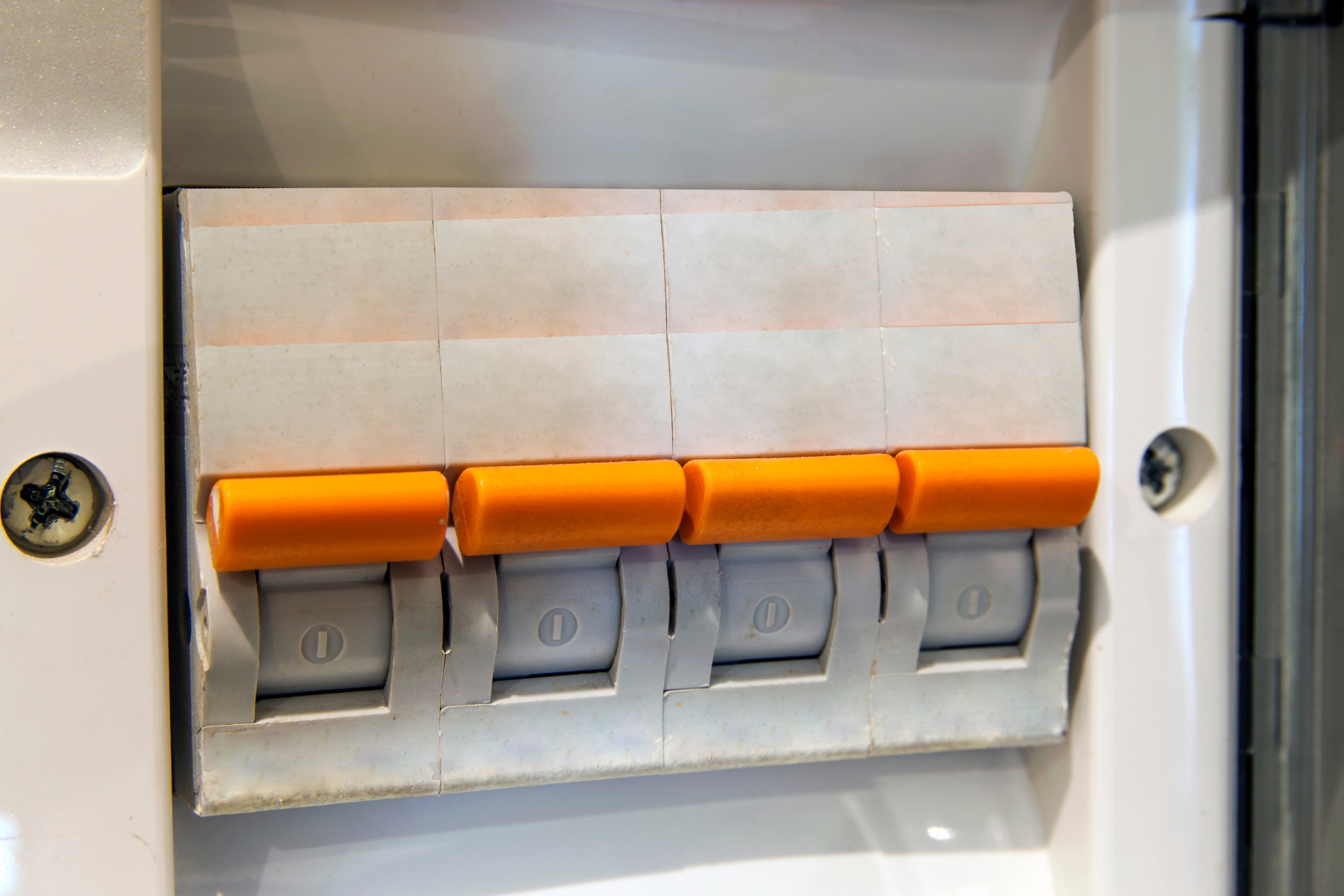
Your fuse board, now more accurately called a consumer unit, is the heart of your home's electrical system. It's the central hub where your electricity supply is distributed to different circuits throughout your property, and crucially, it's your first line of defence against electrical faults that could cause fires, electric shocks, or serious damage.
Yet many homes across Kent and South East London still have outdated fuse boards that don't meet current safety standards. If your property hasn't had an electrical upgrade in recent years, your fuse board could be putting your family at risk.
A consumer unit is the modern term for what many people still call a fuse box. It's the metal box, usually located under the stairs, in a hallway, or in a utility cupboard, that contains the switches and protective devices for your home's electrical circuits.
Modern consumer units contain:
Older fuse boxes, by contrast, used wire or cartridge fuses that had to be manually replaced when they "blew," and often lacked the advanced safety features that modern homes require.
Electrical safety standards have evolved significantly over the decades. The consumer units installed today incorporate safety features that simply didn't exist when many homes were built.
RCD Protection: A Life-Saving Technology
The most critical advancement is RCD protection. An RCD monitors the flow of electricity through a circuit and can detect even tiny imbalances that indicate a fault, such as current leaking through a damaged cable or through a person touching a live wire.
When an RCD detects a fault, it cuts the power in milliseconds—fast enough to prevent a fatal electric shock. This protection is now mandatory for most circuits in domestic properties, yet countless homes still lack adequate RCD coverage.
Fire Prevention
Modern consumer units significantly reduce fire risk. MCBs provide more reliable overcurrent protection than old fuses, whilst RCDs can detect the kind of small current leakages that might cause smouldering in walls long before they develop into fires.
Meeting Current Regulations
If you're selling your property, getting a mortgage, or having electrical work done, you'll likely need an Electrical Installation Condition Report (EICR). An outdated fuse board will almost certainly result in recommendations for upgrading—or even fail entirely if safety issues are identified.
1. It's an Old-Style Fuse Box
If your board has rewirable fuses with fuse wire, or ceramic cartridge fuses, it's time for an upgrade. These systems offer no RCD protection and are significantly less safe than modern equivalents.
2. Wooden Backing Board
Very old installations mounted on wooden boards are a fire risk and don't meet current standards. Modern consumer units are mounted on non-combustible surfaces.
3. No RCD Protection
If your board doesn't have RCD protection, identifiable by test buttons on the unit, your home lacks essential safety features. Some older boards may have a single RCD protecting some circuits, but current standards require more comprehensive protection.
4. Black Plastic Consumer Unit
Consumer units manufactured with black plastic cases were found to be less fire-resistant than newer designs. Many electricians recommend replacing these even if they're relatively recent.
5. Overloaded or Modified Board
If your consumer unit has obvious signs of modification, taped-up sections, or additional circuits squeezed in without proper planning, it likely needs replacing with a properly designed unit.
6. No Surge Protection
The latest regulations recommend surge protection devices (SPDs) to protect sensitive electronics from power surges. Older boards lack this feature entirely.
7. Rust, Damage, or Burning
Any signs of corrosion, physical damage, scorch marks, or burning smells around your consumer unit indicate serious problems requiring immediate professional attention.
8. Regular Tripping
If your MCBs or fuses trip frequently, it could indicate the board is inadequate for your home's electrical demands or that there are underlying faults.
UK electrical installations must comply with BS 7671 (the IET Wiring Regulations), which are regularly updated to reflect advances in safety technology and changing electrical demands.
Key requirements for modern consumer units include:
The regulations also specify that consumer units should be metal rather than plastic in most domestic installations, following concerns about fire safety with older plastic units.
Initial Assessment
A qualified electrician from Deltawatt Ltd will assess your current installation, test the condition of your circuits, and discuss your household's electrical needs. We'll identify whether you simply need the consumer unit replacing or whether other electrical work is advisable at the same time.
Design and Planning
We'll design a new consumer unit layout that provides appropriate protection for all your circuits, includes capacity for future additions, and meets all current regulations. This includes determining:
Installation
The installation process involves:
Testing and Certification
After installation, thorough testing ensures everything works correctly and safely. You'll receive certification documenting the installation, which is essential for building regulations, insurance, and property sales.
A straightforward consumer unit replacement typically takes several hours, though this varies based on the complexity of your installation and any additional work required. Your electrician will provide a timeframe during the assessment. Most upgrades can be completed in a single day, though you should expect to be without power for several hours during the work.
Absolutely. In fact, upgrading your consumer unit is an excellent opportunity to address other electrical needs:
Combining work saves time and money compared to multiple separate visits.
It's important to understand that replacing the consumer unit doesn't necessarily mean rewiring your property. If your cables and circuits are in good condition, you may only need the consumer unit upgrading to bring your installation up to standard.
However, during assessment, your electrician might identify issues with the circuits themselves, old cable types, inadequate earthing, or deteriorating insulation. In these cases, we'll discuss whether partial or full rewiring is advisable alongside the consumer unit upgrade.
Consumer unit replacement is notifiable work under Building Regulations Part P. This means it must either be carried out by a registered electrician who can self-certify the work, or it must be notified to building control before starting.
Choosing a qualified, registered electrician like Deltawatt Ltd ensures:
Never use unregistered electricians for consumer unit work—the risks far outweigh any potential savings.
Period Properties
Older homes may have complications such as limited earthing provisions, old wiring types, or space constraints for modern consumer units. Experienced electricians can navigate these challenges whilst maintaining the character of your property.
Rented Properties
Landlords have legal obligations to ensure electrical installations are safe and inspected regularly. An outdated fuse board will likely be flagged during mandatory EICR testing, requiring upgrade before you can legally continue letting the property.
Commercial Premises
Business properties have additional requirements and often need larger, more complex consumer units. Deltawatt Ltd works with commercial clients across Kent to ensure their electrical installations meet commercial standards.
When upgrading your consumer unit, think ahead:
Planning ahead during the upgrade avoids costly modifications later.
Will I Definitely Need My Whole Board Replacing?
Not always. Sometimes specific components can be upgraded, or additional protection can be added. However, given the age of many installations and the relatively modest cost difference, full replacement often makes more sense than piecemeal upgrades.
What Happens to My Circuits During Installation?
Your existing circuits are disconnected from the old consumer unit and reconnected to the new one. If your circuits are in good condition, they can be reused. However, testing during installation might reveal issues that need addressing.
How Often Should Consumer Units Be Replaced?
There's no fixed lifespan, but technology and regulations evolve. Consumer units from before the early 2000s generally need replacing. Even newer installations should be periodically inspected to ensure they still meet current standards.
Can I Upgrade the Board Myself?
No. Consumer unit installation is notifiable electrical work that must be carried out by qualified, registered electricians. DIY installation is illegal, dangerous, and will invalidate your home insurance.
Whilst consumer unit replacement represents an investment, the cost of not upgrading can be far higher:
Upgrading your consumer unit is often the catalyst for improving your entire electrical system. During the work, consider:
At Deltawatt Ltd, we understand that your consumer unit is fundamental to your home's electrical safety. With over 11 years of experience and full NAPIT and Trustmark accreditation, we provide professional consumer unit upgrades throughout Kent—from Longfield to Sevenoaks, Gravesend to Orpington, and across South East London.
We deliver:
If you're unsure whether your consumer unit meets current standards, don't wait for problems to develop. A professional inspection can identify issues before they become dangerous or costly.
Contact Deltawatt Ltd today to arrange an assessment of your consumer unit. Whether you need a straightforward upgrade or a more comprehensive electrical review, our experienced team is here to ensure your home's electrical system is safe, compliant, and fit for modern living.
Your family's safety is worth the investment. Let Deltawatt Ltd bring your electrical installation up to standard with a professional consumer unit upgrade.
Ready to upgrade your fuse board?
Contact Deltawatt Ltd for a professional assessment. Serving Kent and South East London with expert electrical solutions and consumer unit upgrades.
Whether you need a rewire, solar panels, or an EV charger, our experienced team is ready to help with safe, efficient solutions.